




Skip to content

Wikimedia Europe

Visual Portfolio, Posts & Image Gallery for WordPress

Benh LIEU SONG (Flickr), CC BY-SA 4.0, via Wikimedia Commons

JohnDarrochNZ, CC BY-SA 4.0, via Wikimedia Commons

NASA Goddard Space Flight Center from Greenbelt, MD, USA, Public domain, via Wikimedia Commons

Michael S Adler, CC BY-SA 4.0, via Wikimedia Commons

Charles J. Sharp, CC BY-SA 4.0, via Wikimedia Commons

Markus Trienke, CC BY-SA 2.0, via Wikimedia Commons

Stefan Krause, Germany, FAL, via Wikimedia Commons

Open Science

Why Wikimedia Supports Secondary Publication Rights for Publicly Funded Research

Through its flagship research programme, Horizon Europe, the European Union will spend 95.5 billion euro on science and research until 2027. Yet, the results of this research in many cases will not be accessible to Europeans – academics, regular citizens or even Wikipedians.

In he most extreme cases European taxpayers will have paid for the research institution, for the actual research, but the research institutions and the researchers will still need to pay expensive licenses for academic journals for access. And even then, the public won’t be able to make use of this knowledge.

Read More »Why Wikimedia Supports Secondary Publication Rights for Publicly Funded Research

We need a Digital Knowledge Act
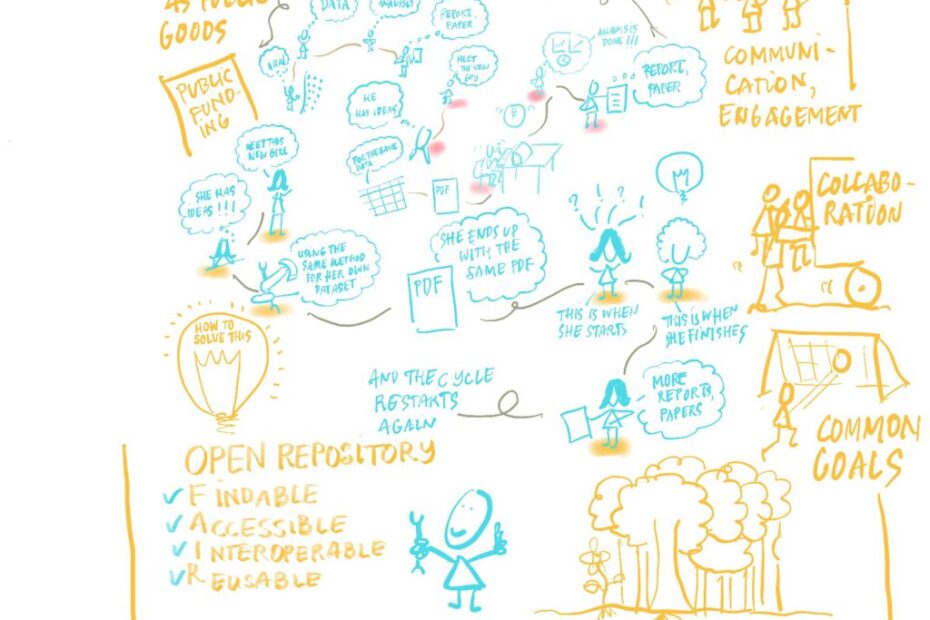
A digital knowledge act for europe

In December 2023 the Communia Association, which Wikimedia Europe is a member of, rolled out the idea of a Digital Knowledge Act at the European Union level. A EU regulation that makes the interests of knowledge institutions, such as libraries, universities and schools, a top priority. 

In the past five years we have seen the EU tackling various specific digital issues through legislation – content moderation through the Digital Services Act, market power through the Digital Markets Act, data sharing through the Data Act and the Data Governance Act. All these were necessary steps, we believe, they however treated institutions, such as libraries, archives, universities and schools, almost as an afterthought.  

Read More »We need a Digital Knowledge Act
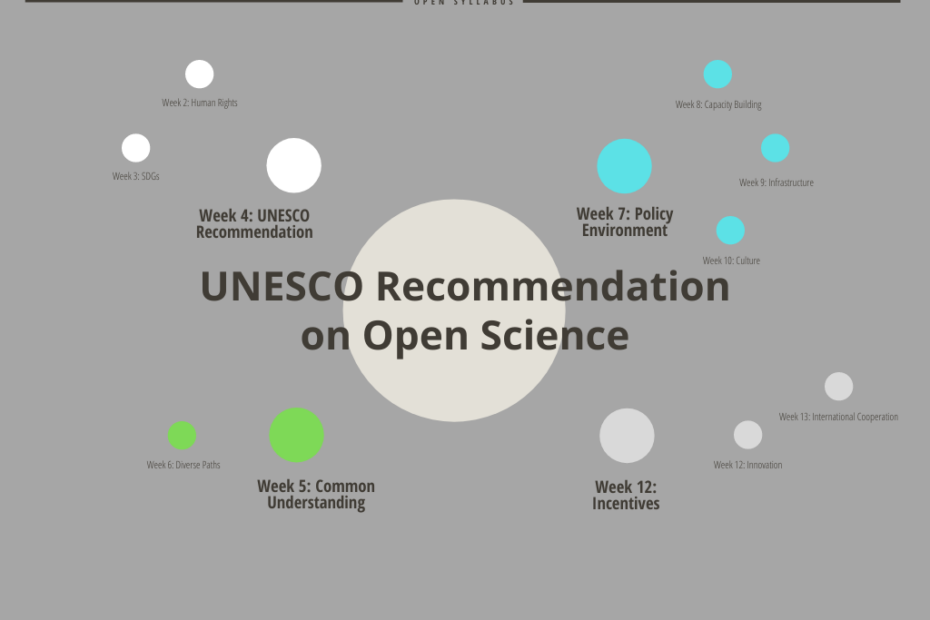
UNESCO Recommendation on Open Science

In late 2021, the UNESCO General Assembly approved a new Recommendation on Open Science. All the member states agreed on a final version, that for the first time provides an official definition of what open science is, and that calls for legal and policy changes in favor of open science. As a recommendation is the strongest policy tool of UNESCO, “intended to influence the development of national laws and practices”, this is important news for the entire scientific community. 

Read More »UNESCO Recommendation on Open Science